Is Your Miami Home's AC Unit the Right Size? How to Tell
Published: 2026-06-19 · By CoolBreeze AC Repairs Miami
In Miami, the intense heat and high humidity demand a well-functioning air conditioning system in every home. Imagine returning from a long day at the beach, only to be met with a stifling house because your AC unit is struggling to keep up. The comfort of your home is jeopardized not just by the heat but by the size of your air conditioning unit. An improperly sized AC unit can lead to excessive energy costs, poor air quality, and ultimately less comfort during scorching summer months.
Why This Matters for Miami Homeowners
For Miami homeowners, a correctly sized air conditioning unit is not a mere luxury; it’s a necessity. The combination of salt air, humidity, and the frequent tropical storms can affect your home’s structure and energy efficiency. An undersized unit will run continuously but struggle to cool your living space adequately, leading to increased wear and tear. Conversely, an oversized unit will cycle on and off too frequently, wasting energy and failing to dehumidify the air effectively.
This issue is particularly pressing given that Miami's unique coastal environment accelerates corrosion and diminishes the lifespan of AC parts. Moreover, as air conditioning is a major investment, ensuring it's sized properly has significant financial implications. Ductwork and insulation play critical roles, impacting your home's energy efficiency and comfort.
Many Miami homeowners overlook the importance of a proper assessment. If you suspect you have the wrong size unit, you should address it before the hot weather sets in permanently.
Expert Solutions & Actionable Tips
1. Understanding BTUs
Every air conditioning unit has a BTU (British Thermal Unit) rating that determines its cooling capacity. For Miami, a good rule of thumb is around 20 BTUs per square foot of living space. This means a 1,500 square foot home would require a unit with a capacity of about 30,000 BTUs. Utilizing the wrong BTU rating can lead to ineffective cooling.
Consult with a local expert to help you assess your AC’s BTU needs. This evaluation can be the first step toward a more comfortable home environment.
2. Consider Home Layout
The layout of your Miami home can greatly impact how well your air conditioning system works. Homes with multiple levels or large rooms may need larger systems or additional units. Spaces that receive direct sunlight also demand more cooling power than darker areas.
Before making any changes, reflect on how air flows through your space. An AC contractor can provide guidance on device placement and supplemental units for improved efficiency.
3. Insulation Matters
Good insulation can complement a properly sized AC unit in Miami. Ensuring your home is insulated can reduce energy consumption significantly. If your home isn’t well-insulated, even a perfect-sized AC unit won't meet your cooling needs effectively.
Consider investing in insulation upgrades. As a rough estimate, adding attic insulation can cost between $1,700 and $2,000 for an average home, significantly enhancing your AC system's efficiency.
4. Humidity Control with Size
Humidity is a key factor in Miami's climate. A system that is too large will remove humidity but cool the air too quickly, causing discomfort. Properly sizing your air conditioning unit will ensure that it can maintain both temperature and humidity levels.
Make it a point to have a unit that can run long cycles to effectively remove moisture from the air, providing a comfortable living environment even in peak summer.
5. Seek Professional Consultation
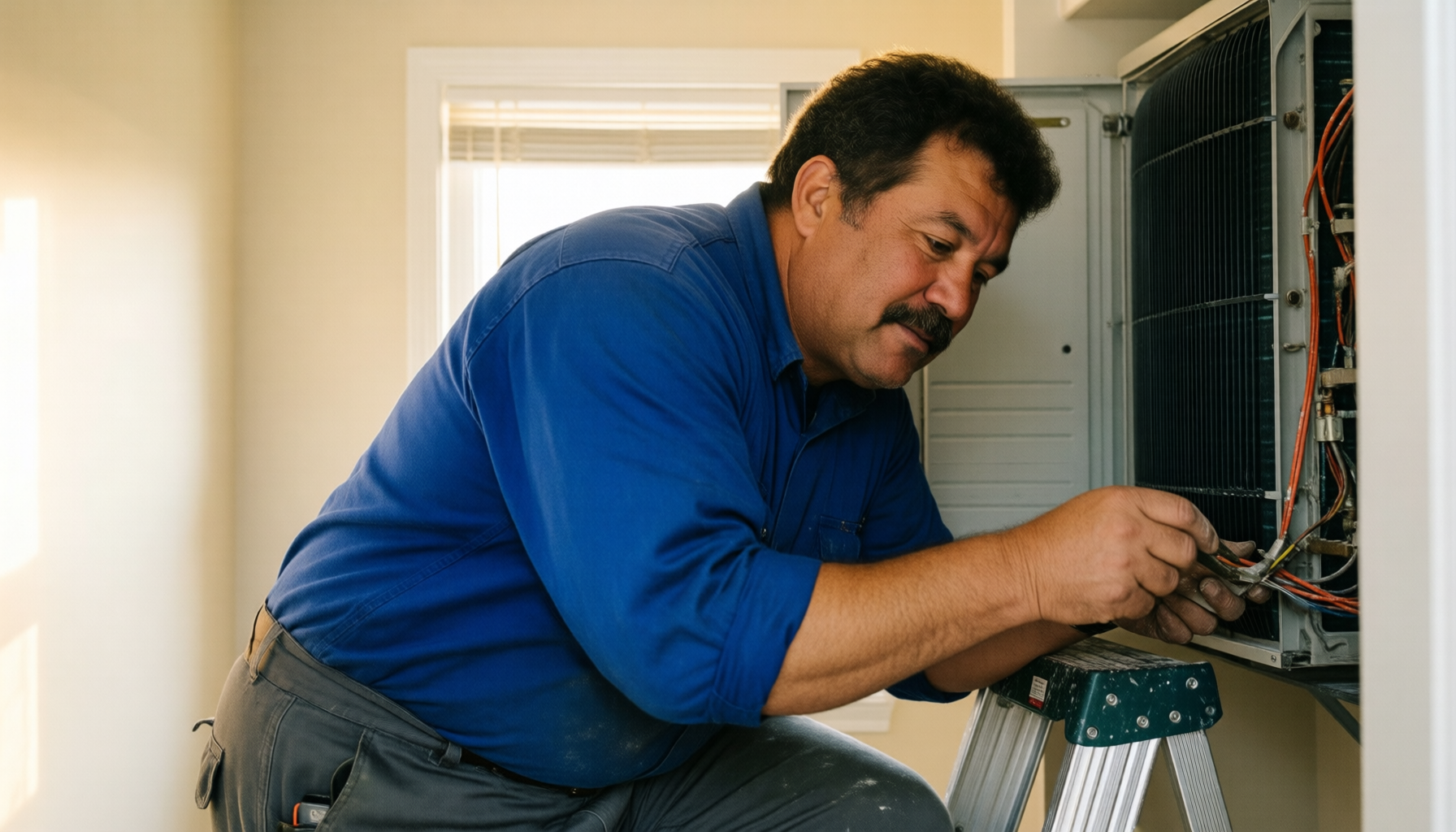
Consulting an HVAC professional is crucial when determining the right AC size. They will conduct a load calculation to assess your home’s needs accurately and provide tailored recommendations.
While a consultation may cost between $100 and $200, it can save you considerably in inefficient cooling expenses in the long run.
6. Consider Future Changes
If you are thinking of expanding your household or upgrading to a home office, consider how this might affect your AC requirements. An initial estimate might not hold if significant changes are planned. Integrating future planning into your current AC sizing can lead to more efficient cooling solutions.
It’s wise to reevaluate your system every few years, especially after any major renovations or expansions in your home.
Miami Climate & Local Context
Miami's tropical climate is characterized by intense heat and humidity, which significantly affects residential air conditioning systems. The salt air from the coastal proximity can accelerate corrosion in metal components, and homes in Miami are often elevated due to local flood zones, which adds further challenges to HVAC installations and repairs.
Local building codes also emphasize the importance of moisture barriers, ensuring that systems are installed correctly to mitigate damage from humidity and storms. Builders need to comply with local regulations, which can dictate AC installation standards, unit size, and maintenance protocols.
Given the region’s susceptibility to tropical storms and hurricanes, residents must ensure their air conditioning units are not only the right size but also engineered to withstand severe weather conditions.
When to Call a Professional
Deciding whether to handle AC issues independently or call a professional can be tricky. Generally, minor issues such as replacing filters or sealing ductwork can be tackled by homeowners. However, more complex tasks necessitate professional assistance to avoid safety issues and costly mistakes.
- If your unit is over ten years old and breaks down frequently.
- Strange noises or smells are emitting from the AC unit.
- You notice uneven cooling throughout your home.
- There’s a significant increase in your energy bills without clear reasons.
- If the unit is leaking refrigerant or water.
- Inconsistent airflow or insufficient cooling.
- Visible corrosion on the unit due to salt air exposure.
- If your system is not making a complete cycle.
In these cases, your best bet is to reach out to a trusted local technician.
Frequently Asked Questions
What are signs that my AC unit is too small for my home?
Common signs include uneven cooling, excessive humidity, and frequent cycling. If your unit runs continuously without adequately cooling your home, it may not be correctly sized for your space.
How often should I replace my AC unit?
Most units last between 10 and 15 years. However, factors like coastal corrosion and maintenance practices in Miami can accelerate wear and tear, prompting earlier replacement.
Are there eco-friendly options for air conditioning?
Yes, many Miami companies now offer energy-efficient models that comply with local regulations. Look for units with high SEER ratings for better efficiency and lower energy costs.
What can I do to enhance my AC's performance?
Regular maintenance, including filter changes and duct cleaning, can significantly improve performance. Insulating your home properly also plays a crucial role in efficiency and comfort.
How can local weather affect my AC maintenance?
Miami’s humid climate necessitates more frequent maintenance checks, as moisture can lead to system inefficiencies and corrosion in components. Staying on top of maintenance will extend your unit's life.
Get Expert Air Conditioning Repair Service in Miami
Your comfort in Miami's heat starts with a properly functioning AC unit. If you suspect that your air conditioning system is not the right size, don’t hesitate to seek professional help. Contact CoolBreeze AC Repairs Miami for personalized advice and service.
We are here to ensure you stay cool and comfortable all summer long. Call us today at (645) 219-1444 to discuss your AC needs!